office@chpmining.com
Address:07-511#, Dongsan Street,Muping Dist, Yantai City, ShandongProvince, China

REANENTS

.
GET IN TOUCH

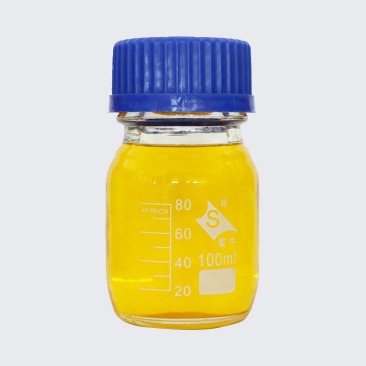
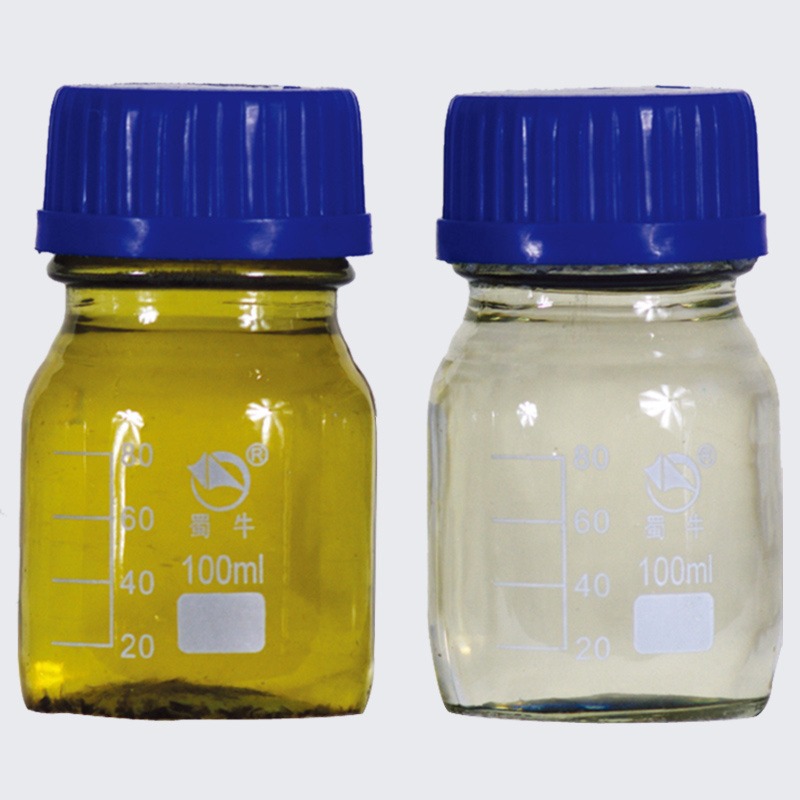
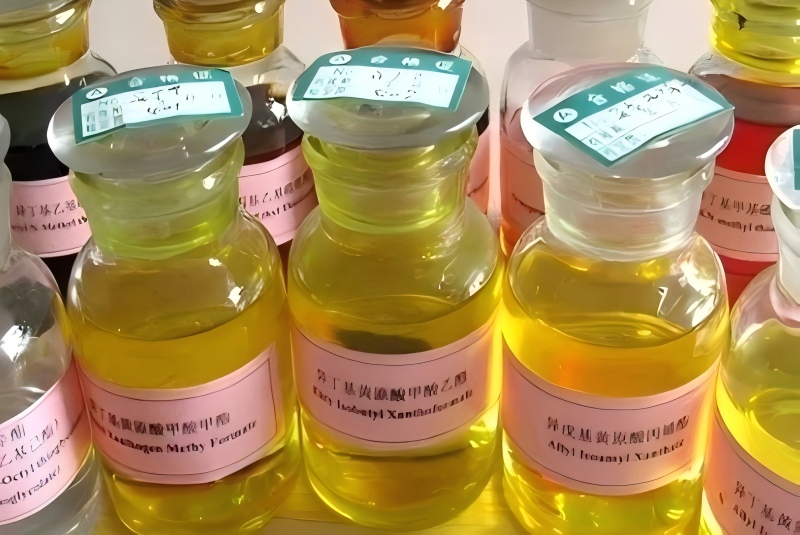
Isopropyl Ethyl Xanthogen Formate


Chenping Mining focuses on the global trade and deep processing of non-ferrous metal minerals such as gold, silver, copper, lead and zinc. Relying on its domestic self-owned smelting capacity and modern blended ore base, it has built an integrated industrial layout of…

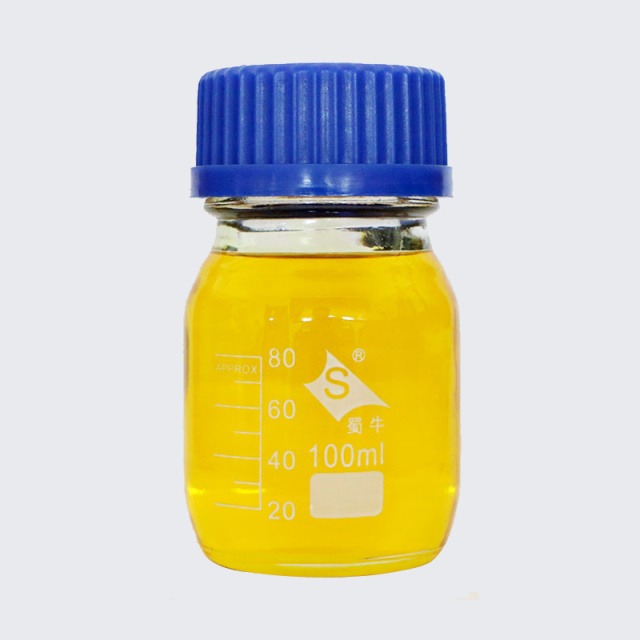
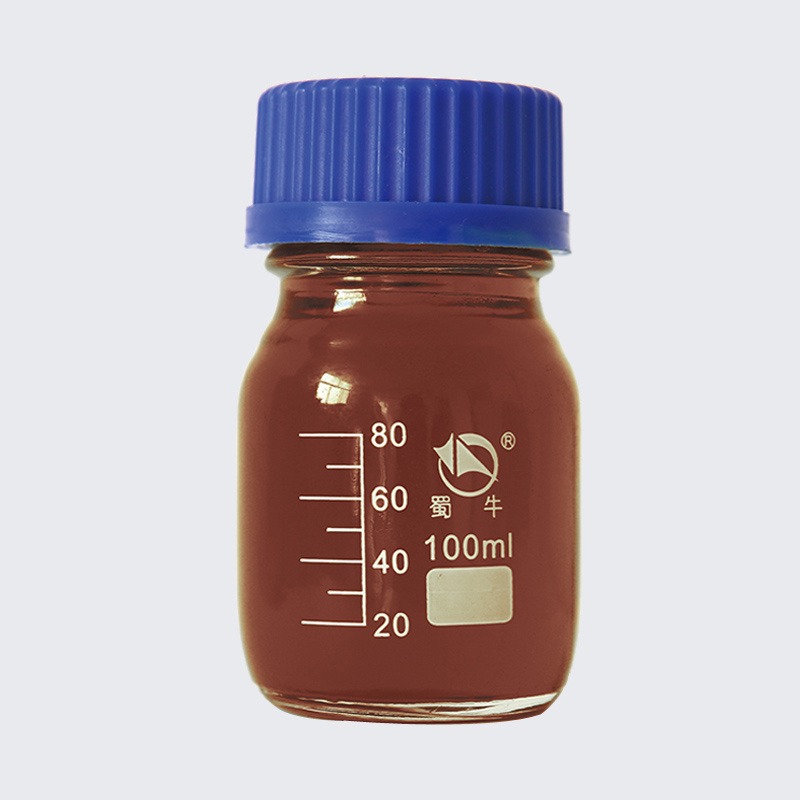
Ethyl Ethyl Xanthogen Formate


Chenping Mining focuses on the global trade and deep processing of non-ferrous metal minerals such as gold, silver, copper, lead and zinc. Relying on its domestic self-owned smelting capacity and modern…

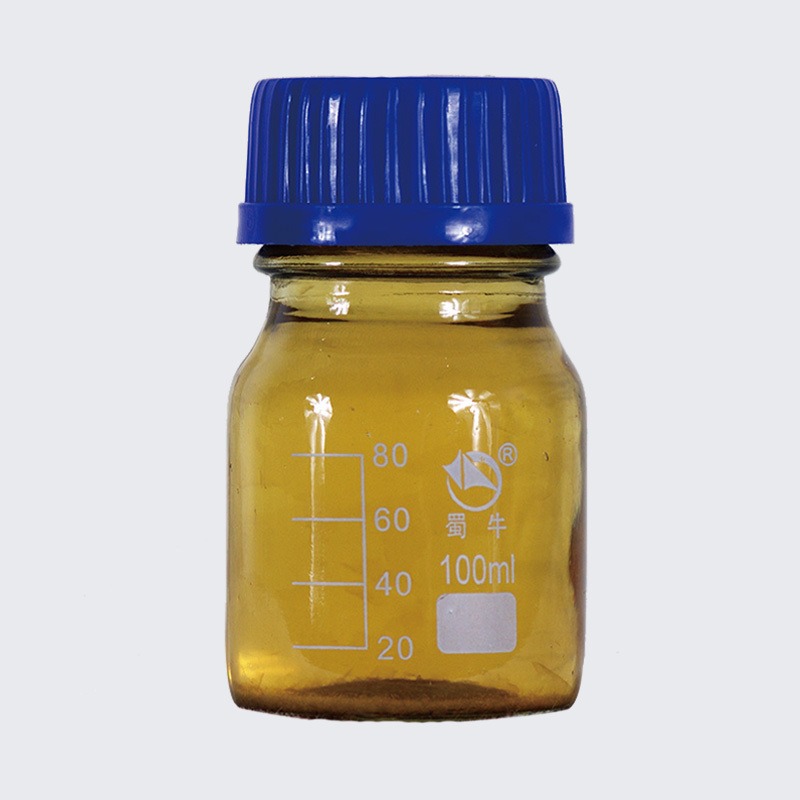
Ethyl sodium black medicine


Chenping Mining focuses on the global trade and deep processing of non-ferrous metal minerals such as gold, silver, copper, lead, and zinc. Relying on its own smelting capacity and modern blending ore base in China, it has built an integrated industrial layout of “procurement-processing-trade” and is committed to providing global customers with stable and efficient mineral supply chain services…

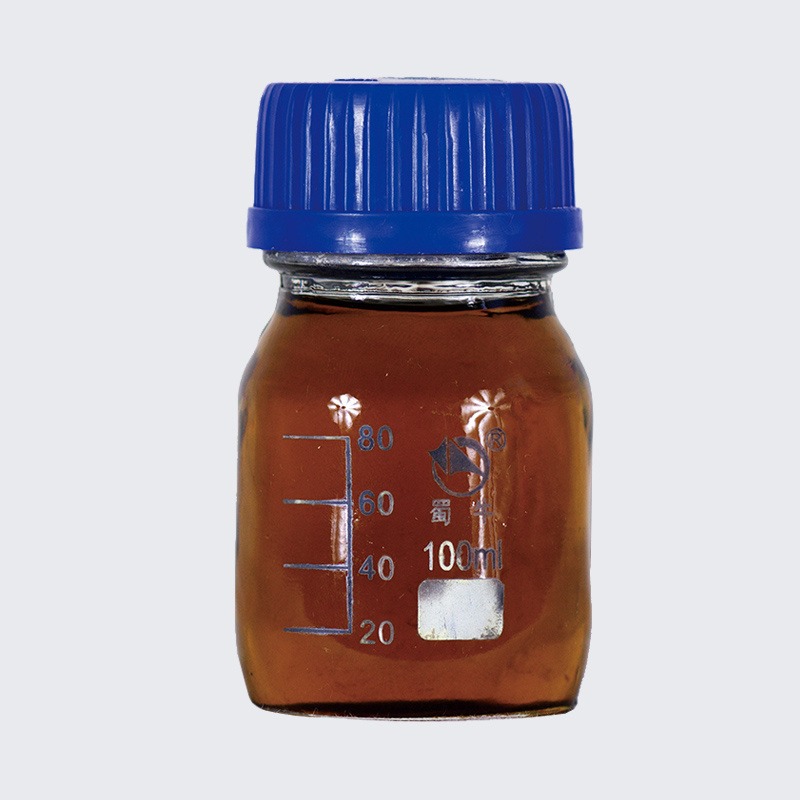
Sodium Diisopropyl Dithiophosphate


Chenping Mining focuses on the global trade and deep processing of non-ferrous metal minerals such as gold, silver, copper, lead, and zinc. Relying on its own smelting capacity and modern blending ore base in China, it has built an integrated industrial layout of “procurement-processing-trade” and is committed to providing global customers with stable and efficient mineral supply chain services…

Sodium Diisobutyl (Dibutyl) Dithiophosphate


Chenping Mining focuses on the global trade and deep processing of non-ferrous metal minerals such as gold, silver, copper, lead, and zinc. Relying on its own smelting capacity and modern blending ore base in China, it has built an integrated industrial layout of “procurement-processing-trade” and is committed to providing global customers with stable and efficient mineral supply chain services…

Sodium Diisobutyl Monothiophosphate


Chenping Mining focuses on the global trade and deep processing of non-ferrous metal minerals such as gold, silver, copper, lead, and zinc. Relying on its own smelting capacity and modern blending ore base in China, it has built an integrated industrial layout of “procurement-processing-trade” and is committed to providing global customers with stable and efficient mineral supply chain services…

Customized service process

  • 01.Sample Submission
  • 02.Ore Characterization
  • 03.Reagent Screening
  • 04.Laboratory Verification
  • 05.Reagent Scheme
  • 06.On-site commissioning
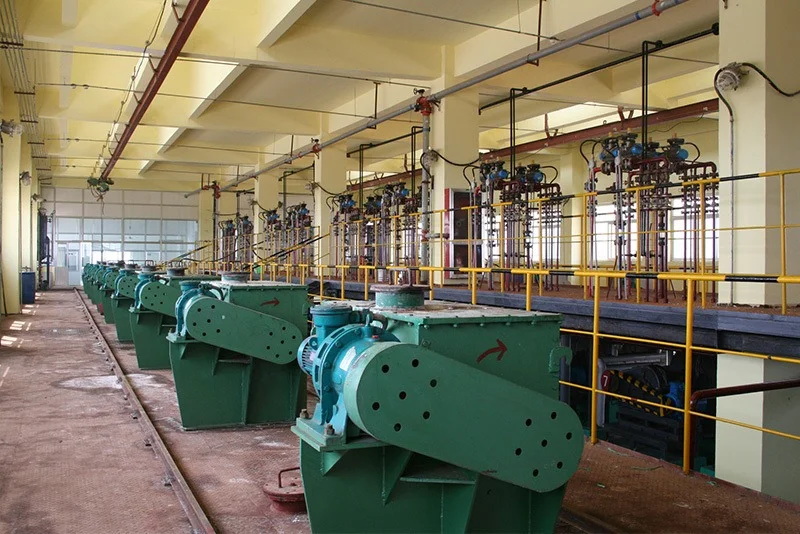
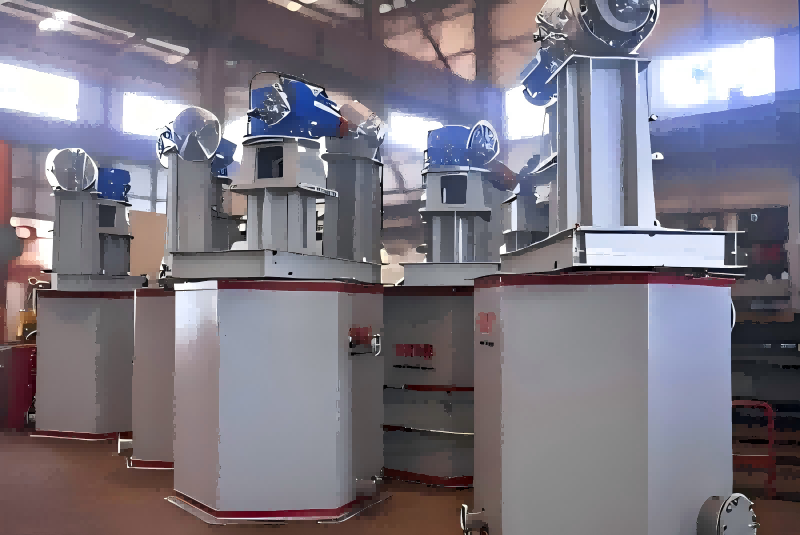
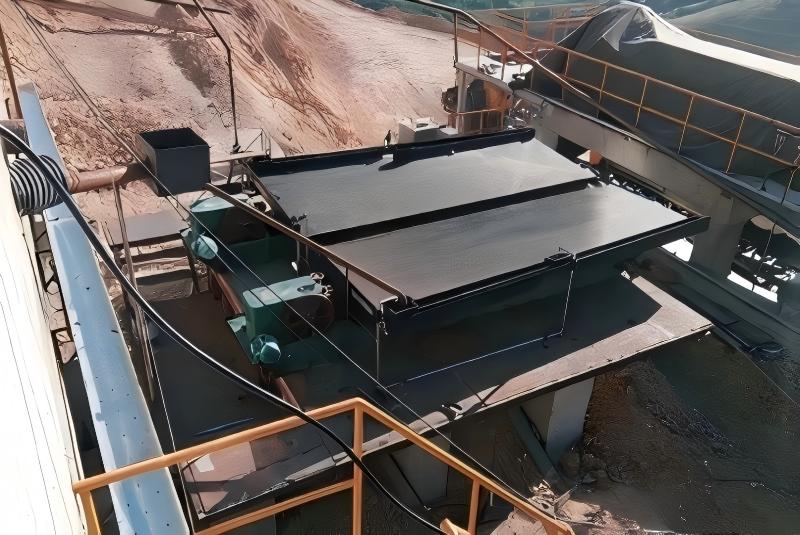
Workshop-equipment6
contact us
img-form-start

PHONE:
+86 18653566689
EMAIL:
office@chpmining.com


    BLOG

    22 June blog
    Phosphate ore scrubbing process and flow
    Phosphate rock is an important raw material for the production of phosphate fertilizers and other chemical products. It is mainly composed of apatite minerals, including fluorapatite (Ca5(PO4)3F) and chlorapatite (Ca5(PO4)3Cl). In addition to phosphorus, phosphate rock may also contain various impurities such as iron, aluminum, magnesium, and calcium. These impurities not only affect the grade of phosphate rock but also have adverse effects on subsequent processing. Therefore, they can be removed through washing pretreatment. Let’s learn about the washing process.
    READ MORE
    22 June blog
    What are the ore dressing processes for nickel sulfide ore?
    Nickel sulfide ores are one of the important sources of nickel, mainly composed of nickel-iron sulfide ((Ni,Fe)9S8), millerite (Ni3S2), and other nickel-containing sulfides. Because these minerals usually coexist with other metal sulfides (such as copper, cobalt, platinum group metals, etc.), and are often accompanied by a large amount of gangue minerals, appropriate ore dressing processes are needed to improve the grade and recovery rate of nickel. Currently, common methods include flotation, magnetic separation, gravity separation, oxidation roasting-leaching, and bioleaching.
    READ MORE
    17 June Comparison of the advantages and disadvantages of mainstream flotation reagents
    Comparison of the advantages and disadvantages of mainstream flotation reagents
    Flotation reagents are chemical substances used to improve the surface properties of minerals and the characteristics of flotation media. By adjusting the hydrophobicity of minerals and the stability of bubbles, minerals can easily adhere to bubbles and float, thereby achieving solid-liquid separation. Flotation reagents are chemical substances used to improve the surface properties of minerals and the characteristics of the flotation medium. By adjusting the hydrophobicity of the minerals and the stability of the bubbles, they allow minerals to easily adhere to the bubbles and float, thus achieving solid-liquid separation. The selection and use of these reagents directly affect the efficiency and effectiveness of the flotation process. Currently, mainstream flotation reagents mainly include collectors, frothers, and modifiers. Each reagent has different roles and advantages and disadvantages in the mineral flotation process. Collectors Types: Common collectors include xanthates (such as ethyl xanthate, amyl xanthate), thiosulfates, and amine collectors (such as dodecylamine). Advantages: They can significantly enhance the hydrophobicity of the mineral surface, improve the adhesion between the mineral and the bubbles, and thus improve the flotation efficiency. Disadvantages: Some collectors may be harmful to the environment, and excessive use may lead to decreased foam stability or reduced mineral recovery. Frothers Types: Frothers include pine oil, cresylic acid, fatty alcohols, and ethers. Advantages: They can quickly form a large number of stable bubbles, promoting mineral flotation and improving the selectivity and efficiency of flotation. Disadvantages: Some frothers may corrode equipment, and high concentrations may reduce foam stability. Modifiers Types: These include pH regulators (such as lime, sodium carbonate), activators (such as copper sulfate), and depressants (such as sodium thioglycolate). Advantages: By adjusting the pulp pH or suppressing the flotation characteristics of certain minerals, they optimize the flotation process and improve the grade and recovery of the concentrate. Disadvantages: Some modifiers may cause irreversible chemical adsorption on the mineral surface, affecting subsequent flotation results. New Low-Alkalinity Flotation Reagents Types: Such as modified starch, dextrin, chitosan, etc. Advantages: They exhibit good inhibitory effects under low-alkaline conditions, reducing the use of traditional reagents such as lime and reducing environmental pollution. Disadvantages: The research and development and application of new reagents still need further optimization, the cost is higher, and the effects of some reagents are not yet fully clear. Depressants Types: Including organic depressants (such as polyglutamic acid PGA) and inorganic depressants (such as lime-γ-PGA composite system). Advantages: They can effectively suppress the flotation of specific minerals, improve separation efficiency, and are especially suitable for complex mineral systems. Disadvantages: Some depressants may have a negative impact on the environment and should be used cautiously. The selection of flotation reagents should consider the mineral properties, flotation conditions, and environmental requirements comprehensively. Reasonable design of reagent ratios and usage methods is the key to improving flotation efficiency and environmental protection.

    READ MORE
    Products
    Contacts
    WhatsApp
    Email